Understanding Wisdom Teeth Problems, Symptoms, and When Removal May Be Necessary
Published May 31, 2026
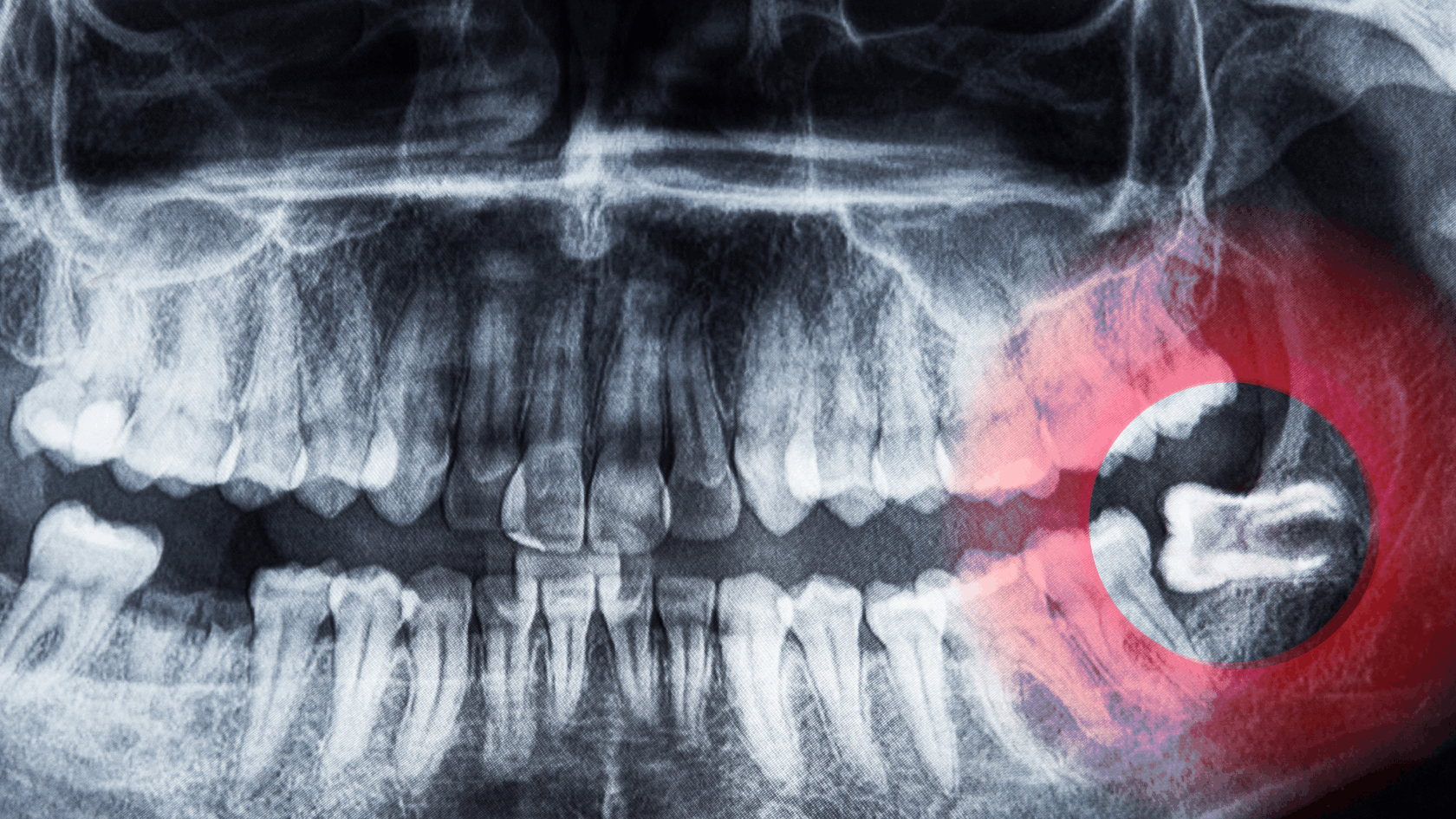
Understanding wisdom teeth, or third molars, is vital for young adults and anyone experiencing changes in their oral comfort. Often, the human jaw lacks sufficient space for these teeth to erupt correctly, which can cause significant issues. When wisdom teeth do not have room to grow, they may become impacted. This can push against your existing teeth, leading to crowding, discomfort, and potential misalignment of your smile.
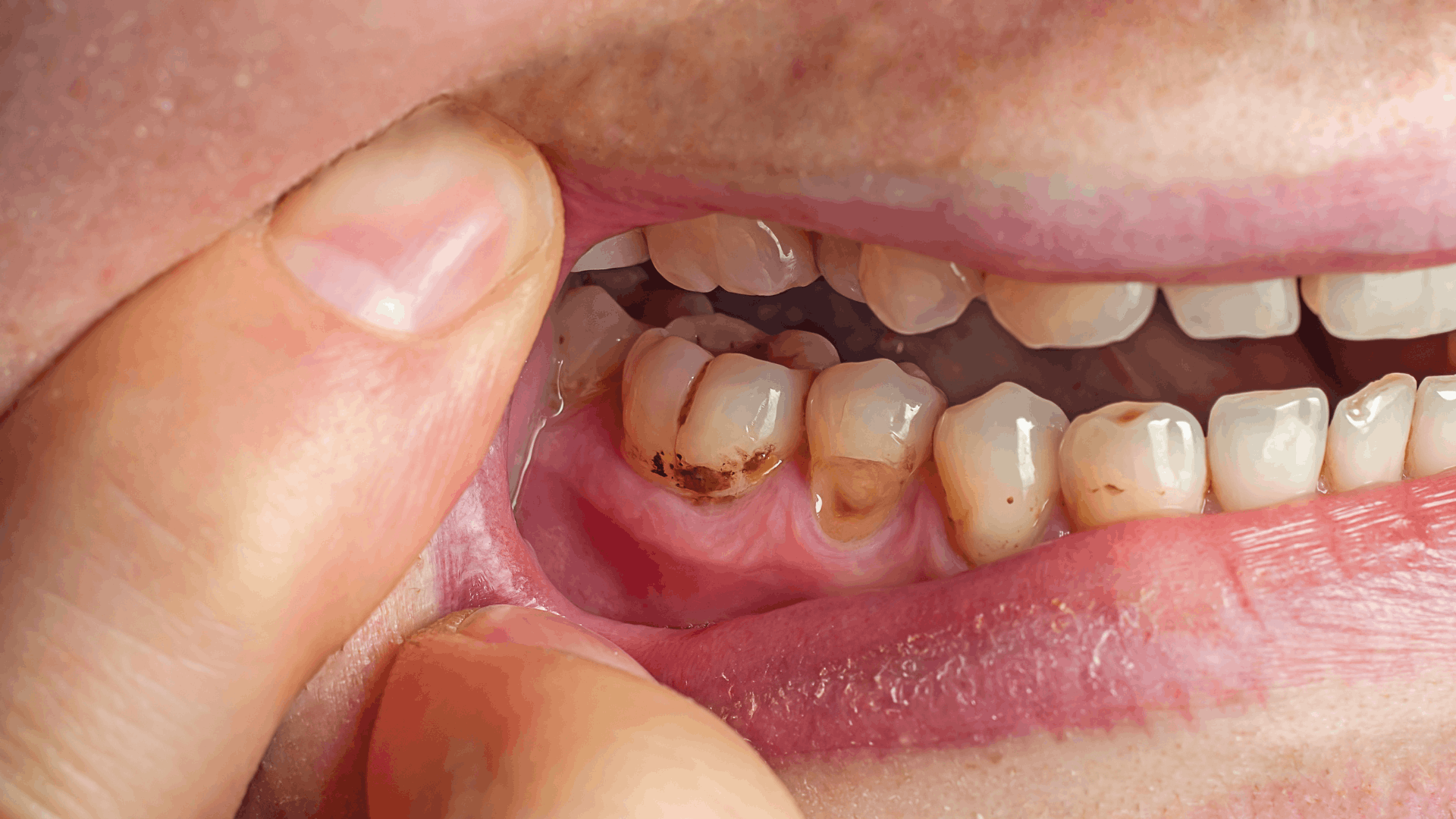
Common symptoms of problematic wisdom teeth include persistent jaw pain, swelling in the back of the mouth, and localized gum tenderness. You might also notice an unpleasant taste or odor near the site. In some instances, a partially erupted wisdom tooth creates a pocket in the gum tissue. This pocket traps bacteria, which can lead to a painful infection known as pericoronitis.
If you notice any of these warning signs, it is imperative to schedule a diagnostic X-ray. This is the only way for a dentist to determine the exact positioning and the health risks associated with your third molars. Removal may be recommended not only when pain is already present but also as a preventative measure. This protects the alignment and health of your adjacent, healthy teeth from future damage.
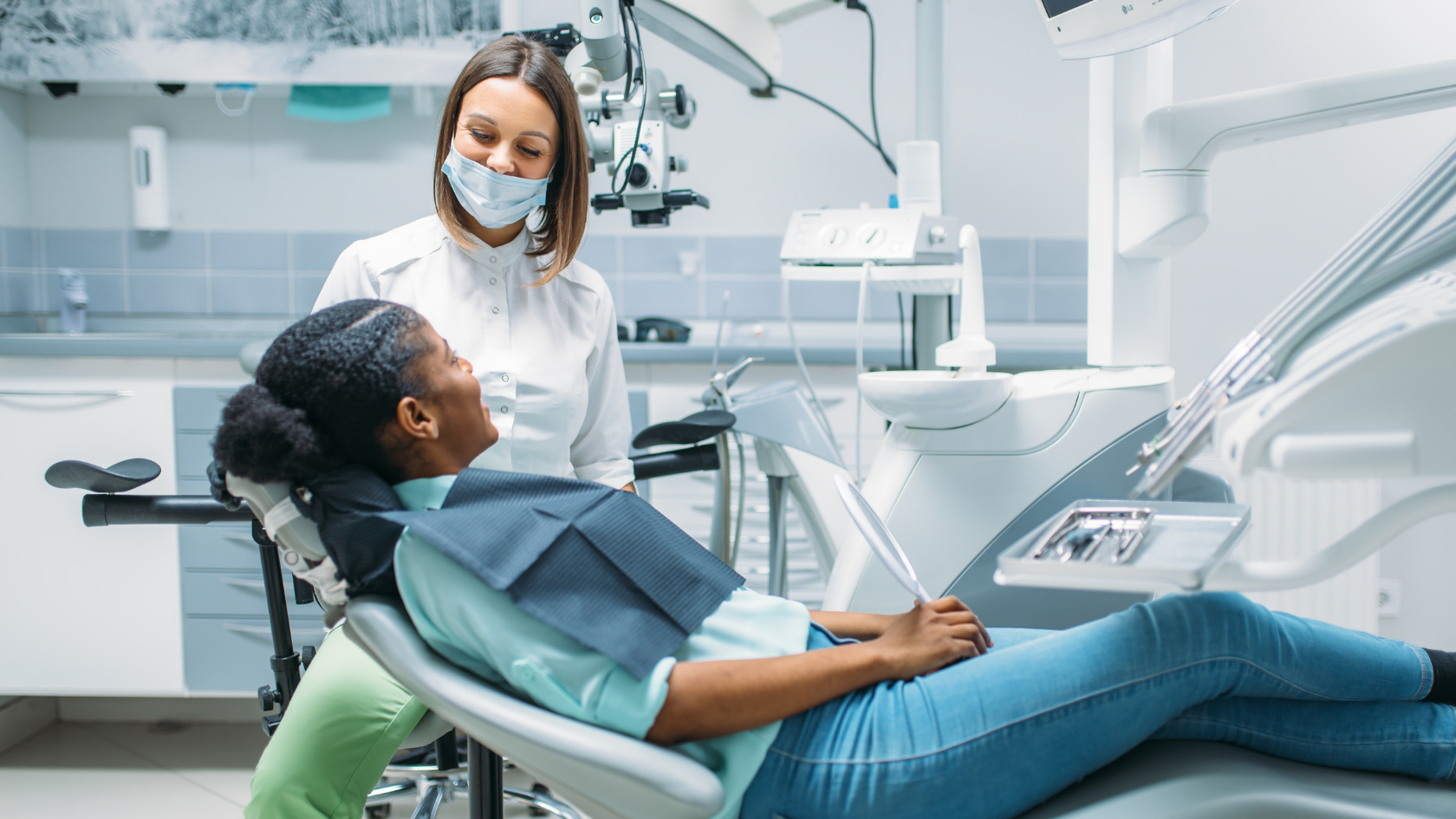
Modern extraction procedures are highly routine and are managed with appropriate anesthesia. This ensures that the process is comfortable and the recovery period is kept as short as possible. Addressing these issues early prevents the development of complex cysts or irreparable damage to the neighboring second molars. Waiting too long can make the situation much more complicated.
Being aware of your oral anatomy and responding quickly to discomfort can save you from severe pain. It also helps you avoid the need for complex orthodontic corrections later in life. Always consult with a qualified dental professional to evaluate your specific situation. Discussing the best course of action is the first step toward restoring your oral health and comfort.
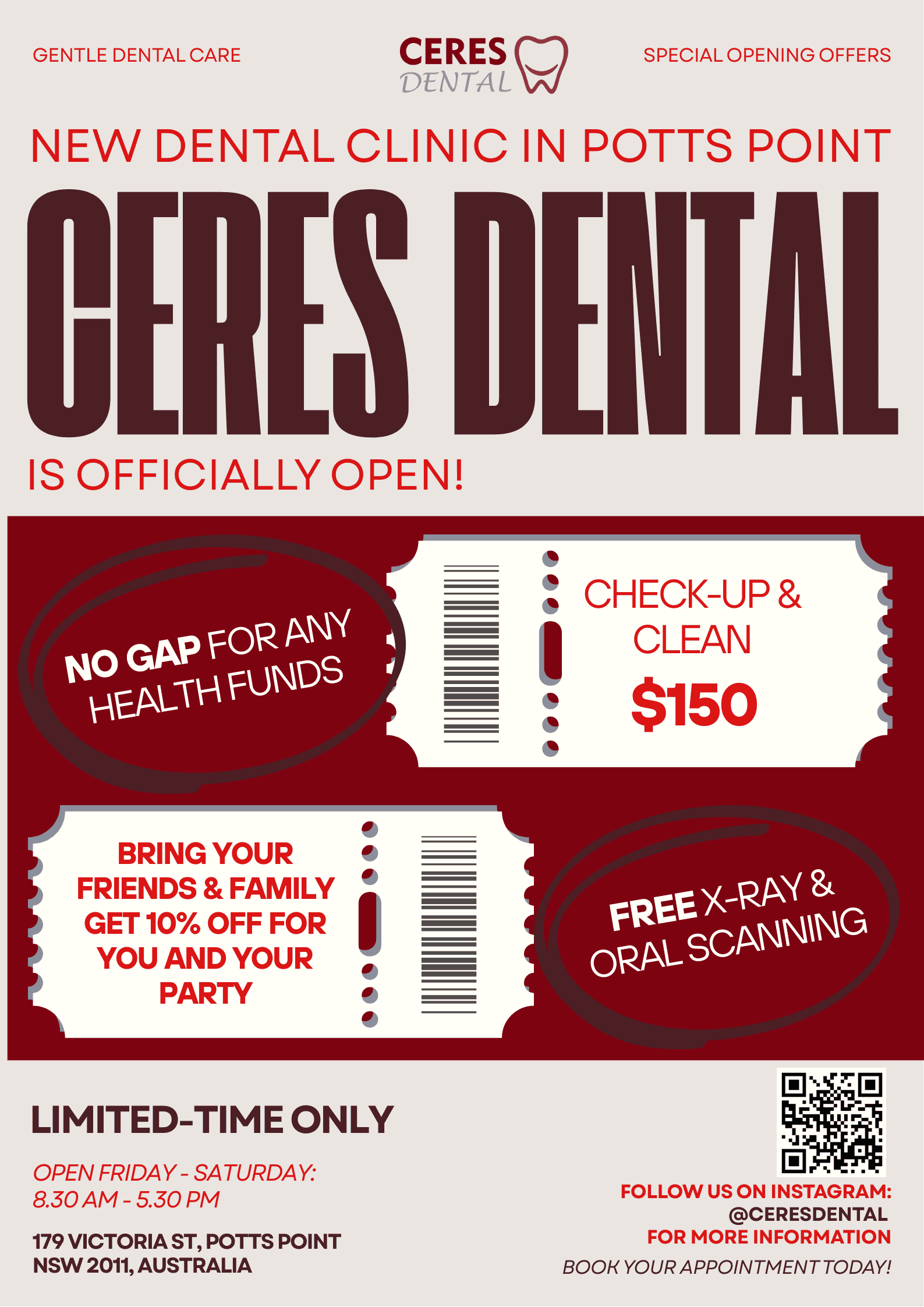
📍 Experiencing jaw pain or suspect wisdom tooth issues? Book a consultation and X-ray at Ceres Dental to see if removal is right for you: 179 Victoria St, Potts Point NSW 2011, Australia
Common symptoms of problematic wisdom teeth include persistent jaw pain, swelling in the back of the mouth, and localized gum tenderness. You might also notice an unpleasant taste or odor near the site. In some instances, a partially erupted wisdom tooth creates a pocket in the gum tissue. This pocket traps bacteria, which can lead to a painful infection known as pericoronitis.
If you notice any of these warning signs, it is imperative to schedule a diagnostic X-ray. This is the only way for a dentist to determine the exact positioning and the health risks associated with your third molars. Removal may be recommended not only when pain is already present but also as a preventative measure. This protects the alignment and health of your adjacent, healthy teeth from future damage.
Modern extraction procedures are highly routine and are managed with appropriate anesthesia. This ensures that the process is comfortable and the recovery period is kept as short as possible. Addressing these issues early prevents the development of complex cysts or irreparable damage to the neighboring second molars. Waiting too long can make the situation much more complicated.
Being aware of your oral anatomy and responding quickly to discomfort can save you from severe pain. It also helps you avoid the need for complex orthodontic corrections later in life. Always consult with a qualified dental professional to evaluate your specific situation. Discussing the best course of action is the first step toward restoring your oral health and comfort.
📍 Experiencing jaw pain or suspect wisdom tooth issues? Book a consultation and X-ray at Ceres Dental to see if removal is right for you: 179 Victoria St, Potts Point NSW 2011, Australia